Search This Blog

Monday, December 1, 2025

Which cooking oil is best?


Choosing the right cooking oil can feel overwhelming—there are so many options, so many claims, and so much conflicting nutrition advice. As an example, here are some recent news articles on Cooking Oils & Health

But the truth is simpler than it seems. The best cooking oil isn’t just about smoke points or flavor—it’s about using fat wisely, keeping omega-6 fats in balance, and remembering that most of the fat we eat doesn’t even come from home cooking. It comes from processed foods.

Here’s a guide to help you make smarter choices.


1. Use Only the Amount of Fat You Need

  • Measure your oil—don’t pour freely.

  • Use nonstick cookware or air-frying to reduce added fat.

  • Finish dishes with 1–2 tsp instead of cooking with large amounts.


2. Keep Omega-6 Intake Low

Why? Too much omega-6, especially relative to omega-3, may promote inflammation.

Tips to balance:

  • Choose low–omega-6 oils for daily cooking.

  • Increase omega-3 foods (fish, flax, chia, walnuts).

  • Limit packaged snacks, fast foods, and fried foods.


3. Best Oils for Everyday Use

✔️ Extra-Virgin Olive Oil (EVOO)

  • Low omega-6

  • High in antioxidants

  • Ideal for low–medium heat

✔️ Avocado Oil

  • High smoke point

  • Neutral flavor

  • Good for high heat

    Higher in omega-6 → use occasionally, not daily 

✔️ High-Oleic Sunflower/Safflower/Soybean

  • Much lower omega-6 than regular versions

  • Heat stable


4. Traditional & Popular Oils

Desi Ghee

  • Excellent heat stability

  • Low omega-6

  • Rich flavor—use sparingly due to saturated fat

Rice Bran Oil

  • High smoke point

  • Contains antioxidants

  • Higher in omega-6 → use occasionally, not daily


5. Oils to Use Sparingly (High Omega-6)

  • Soybean oil

  • Corn oil

  • Grapeseed oil

  • Generic “vegetable oil” blends


6. Specialty Oils

  • Coconut oil: flavorful, high saturated fat → occasional use

  • Sesame oil: strong flavor → use as a finishing oil


7. Hidden Sources of Unhealthy Fats

Ultra-processed foods often contain lots of omega-6–rich oils:

  • Chips & crackers

  • Cookies & baked goods

  • Frozen meals

  • Fast food

  • Store-bought dressings & sauces

  • Granola & cereal bars

  • Plant-based meat substitutes

Tip: Check ingredient lists—avoid “soybean oil” or “vegetable oil” where possible.


8. Simple Oil Strategy

  • Daily: EVOO

  • High heat: Avocado oil

  • Flavor: Ghee (small amounts)

  • Neutral option: High-oleic sunflower/safflower

  • Occasional: Rice bran oil

  • Limit: Soybean, corn, vegetable oil blends


What to do:

  • Read the ingredient list: look for “soybean oil,” “vegetable oil,” or “corn oil.”

  • Prioritize minimally processed whole foods.

  • Choose snacks made with olive or high-oleic oils when possible.

  • Cook more meals at home where you control the fat.


Bottom Line

The healthiest diet isn’t just about choosing the “right” oil—it’s about:

  • Using only the recommended amount of added fat,

  • Keeping omega-6 intake in check, and

  • Limiting oils hidden in processed and ultra-processed foods.

With a few mindful choices, you can support better long-term health without sacrificing flavor or convenience.

Disclaimer:
This post is not written by a registered dietitian, nutritionist, or medical professional. The information shared in this post reflects personal preferences
and general guidelines for healthy eating. It is not intended to provide medical or individualized nutrition advice. Please consult a qualified healthcare provider, registered dietitian, or nutritionist for recommendations tailored to your specific health needs and circumstances. 

Sunday, February 12, 2023

Phagan / Basant

Phagan di Sangrand is a Sikh festival that is celebrated on the first day of the month of Phagan in the Nanakshahi calendar which typically falls in mid February. This year it is on Febraruy 13th.

 Basant is a festival which marks the arrival of spring and falls during the month of Phagan or February-March. It is considered a religious and cultural celebration, and is an occasion for Sikhs to come together to celebrate and reflect on their faith. During Basant, Sikhs usually hold special religious services and perform hymns and prayers, and also engage in cultural activities such as singing, dancing, and playing musical instruments.


Here are a few shabads that are commonly sung to commemorate Basant:

  1. "Basant Raga" - A classical composition in raga Basant, this is performed during Basant to welcome the arrival of spring.

  2. "Jhini Jhini Bini Chadariya" - This praises the glory of the Guru and the power of the Sikh faith.

  3. "Hari Bhajan Bina" - This is a devotional hymn that emphasizes the importance of meditation and devotion to the Guru in Sikhism.

  4. "Aukhi Ghari Dekhi Naal Mili" - This shabad encourages Sikhs to seek the guidance of the Guru in their daily lives.

  5. "Jin Prem Kiyo Tin Hi Prabh Paayo" - This shabad emphasizes the importance of love and devotion in achieving a connection with the Guru.


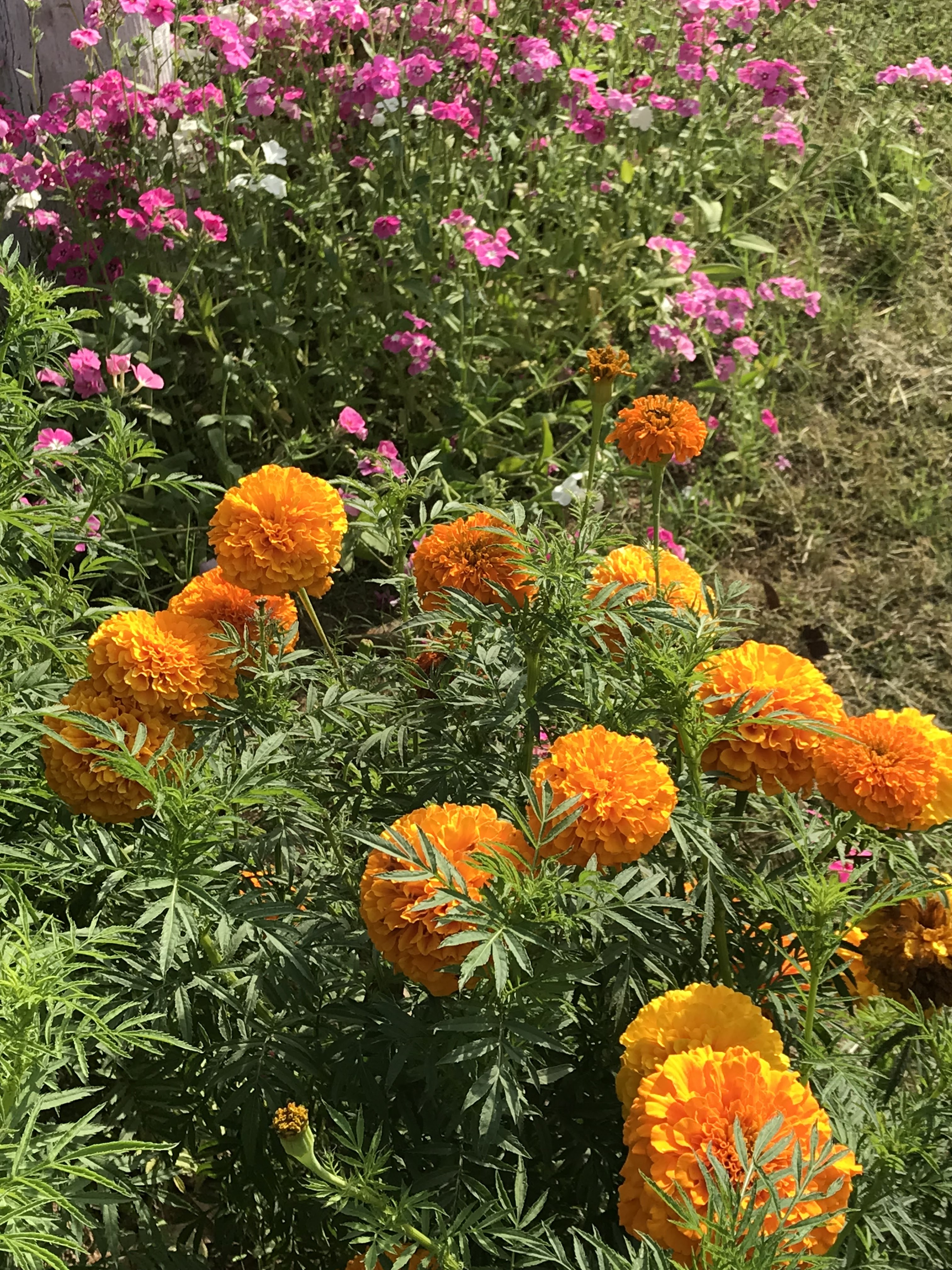
    Basant is also a time when many flowers begin to bloom after the winter season. The sight of brightly colored flowers in full bloom is considered a symbol of the arrival of spring and the renewal of life. In India, some of the most common flowers associated with the festival include marigolds, jasmine, and roses. These flowers are often used to decorate homes and public spaces, and are also used to make garlands and flower arrangements. Overall, the blooming of flowers during Basant is an important part of the festival and is a source of joy and celebration for many people. It symbolizes the arrival of spring and the renewal of life, and serves as a reminder of the beauty and wonder of nature.


    A popular and cultural tradition of Basant is kite-flying. People fly colorful kites to symbolize the arrival of spring and the joy that comes with it.It is enjoyed by people of all ages and it is common to see large crowds of people gathered on rooftops and open spaces, flying kites and competing to see who can keep their kite flying the longest.


Sunday, February 5, 2023

Months of the Year in Punjabi-Nanakshahi Calendar

The Nanakshahi calendar is a calendar used by the Sikhs to commemorate the birthdays of the Sikh Gurus and other important events in Sikh history. It was introduced as an alternative to the traditional Bikrami calendar, which is based on Hindu lunar calculations.


Nanakshahi Calendar-- Names of the month are taken from Gurbani 

First 5 months have 31 days

Last 7 months have 30 days

1          Chet                 ਚੇਤ     14 March – 13 April                    Basant (Spring)

2          Vaisakh            ਵੈਸਾਖ    14 April – 14 May                     Basant (Spring)

3          Jeth                  ਜੇਠ      15 May – 14 June                       Garikham (Summer)

4          Harh                ਹਾੜ      15 June – 15 July                       Garisham (Summer)

5          Sawan              ਸਾਵਣ   16 July – 15 August                    Rut Baras (Rainy season)

6          Bhadon            ਭਾਦੋਂ     16 August – 14 September         Rut Baras (Rainy season)

7          Assu                 ਅੱਸੂ     15 September – 14 October        Sard (Autumn)

8          Kattak              ਕੱਤਕ   15 October – 13 November         Sard (Autumn)

9          Maghar            ਮੱਘਰ   14 November – 13 December      Sisiar (Winter)

10        Poh                   ਪੋਹ     14 December – 12 January          Sisiar (Winter)

11        Magh                ਮਾਘ    13 January – 11 February            Himkar (late Winter/early Spring)

12        Phaggan           ਫੱਗਣ   12 February – 13 March              Himkar (late Winter/early Spring)

 (source:wikipedia)


    Monday, April 13, 2020

    Vaisakhi 2020


    Wishes for a healthy and happy vaisakhi to all!

    This year is the year that we are facing an unprecedented threat to humans-the COVID19 disease. This disease is  caused by a microscopic particle , smaller than the width of your hair but so powerful in its impact that it has brought the entire world to a screeching halt. Aeroplanes, schools, colleges, industries, entire economies are at a stand-still. Hundreds of thousands of people have been infected worldwide and a high cost has already been paid by the human race in terms of the lives that have been lost. It is a matter of time before we will get the better of this microorganism and  sooner or later we will have a vaccine for it (thankfully) that will help save millions of lives from it. But we should be aware that this is not the last virus to challenge our existence, as we continue to overwhelm nature and keep tilting the natural balance more and more in our favor, we will come across many more such challenges. We need to take this moment to roll back on our unhindered consumerism, our unending quest to fulfill our perceived needs, the empty showcasing of our economic status and proofs of our "coolness". Going forward, let's try to lead more meaningful lives in which we balance our acts, as much as possible, with nature, put less demands on natural resources, reconnect with our immediate surroundings, our families and neighbors. If you think about it, that's what we have been forced to do with the almost universal stay-at-home orders, let's learn our lessons while we still have time- stop mistreating our real home--"the earth" and our neighbors--"animals, birds, plants, microbes"  or soon enough we could face a virus or a disease in which we may not even be safe at home!

    Tuesday, February 18, 2020

    Be Positive

    ਤੁਹਾਨੂੰ ਕੀ ਲੋੜ ਹੈ ਕਿਸੇ ਨਾਲ ਮੁਕਾਬਲਾ ਕਰਨ ਦੀ, ਫੁੱਲਾਂ ਵਾਂਗ ਅਸੀਂ ਸਭ ਇੱਕ ਦੂਸਰੇ ਤੋਂ ਵਖਰੇ ਹਾਂ ਤੇ ਆਪਣੇ ਤਰੀਕੇ ਨਾਲ਼ ਸੋਹਣੇ ਹਾਂ
    Translation: You don't need to compare yourself to anyone else, like flowers we are all different from each other and beautiful in our own way.
    Image copyright-Sona@About Punjab (mostly)

    Monday, August 8, 2016

    Har boli sikho, sikhni vi chahidi, par pucci vekh ke kachi nahin dhahidi-Gurdas Maan


    Such a great artist..reflects and focuses on all that is good about Punjabi culture- secularism; loyalty; importance of hard-work; humility; respect for parents, teachers , culture, women; love in all its forms and of course the awesome music! 


    Here he is singing Challa and Heer during a live performance that I was lucky enough to get to attend. The first video is a little shaky in the beginning but stabilizes after that.


    Enjoy!


    Monday, July 27, 2015

    Dinanagar

    Dawn of a sad and tragic day in Dinanagar/Punjab..hope that the hard wrought peace is not lost..

    http://www.bbc.com/news/world-asia-india-33671593

    Wednesday, August 13, 2014

    Bhangra, Bhangra, Bhangra!!!!

    Good to see our "jaddi" culture thriving so well and its mingling with our adopted culture...


    Thursday, May 22, 2014

    The Rock Garden, Chandigarh


    Desi Nuskhaey (Home-remedies)

    Nava saal , gurpurab ,Lohri, basant panchami,  Valentine's Day, Holi, Vaisakhi have all come and gone and it is now that I get time for this blog!It's not that I haven't thought about writing something on here now and then but life keeps me engaged in other ways. Ever since the start of 2014, one thing that has been a constant on my end has been sickness.. not the really serious kind (Thank God!) but just coughs and colds. Turns out that I have allergies which have now developed into some sort of bacterial infection that needs antibiotics.Hopefully that will be the end of it. But over the course of these sniffles, I have been offered  many desi nusakhey to cure myself, as I am sure everyone from that part of the world has been whenever they so much as sneeze or cough. So this blog is going to be a chronicle of the desi ilaajs that have ALWAYS worked their magic in someone else:):

    1. Gararey (gargles): namak vaaley yaan phatkari vaaley

    2. Heat some honey, add some ajwain and kali mirch and take 1 spoon before sleeping

    3. Little bit of boiling milk, add a spoon of ghee, drink before sleeping

    4. Little bit of boiling milk, adda pinch of turmeric , drink before sleeping

    5. Adrak (ginger ) tea

    6. Eat "sabat kali mirch" (peppercorn) whenever cough strikes

    7. Dashaunda (I don't know how to describe it, but you can get it at any Indian store)

    There you have it one remedy for each day of the week. Follow this for 2 weeks and you will be back to normal (of course by then the infection could go away itself also). The good thing about all of these is that all the ingredients mentioned above are natural and won't really do any harm( when consumed in small proportions). So next time you hear anyone sneeze, just rattle off this list and score some "sianap" points!


    Thursday, July 25, 2013

    Bhag Milkha Bhag

    Last weekend I got the opportunity to watch The Flying Sikh's s biography, Bhag Milkha Bhag (literal translation-Run Milkha Run). Even though I was hearing good things about the movie from people around me and most of the media, I wasn't too enthusiastic about watching it, basically because I don't like biographies. But to my surprise it turned out to be a pretty good movie!! The visual effects and the attention to detail in scene set-up, characterizations, make-up, clothes, etc was so amazing that it felt as if I had traveled back in time to another era. Farhan is a natural, his portrayal of Milkha Singh is very believable, even though how realistic it is is something that can only judged by the real Milkha Singh:). The supporting cast, especially Divya Dutta, also do justice to their roles. Divya's acting skills have reached new heights and the way she executes her roles is absolutely convincing and delightful.
    The way the story is narrated is very dynamic with 2 parallel storylines- one is about Milkha Singh, the athlete and the other about Milkha Singh, the person. Initially, circumstances beyond his control push him into running and for a while it seems like he is an accidental athlete- naturally gifted but not ready or not wanting to go beyond that. But once he embraces his potential, that's when the two personas come together and Milkha Singh achieves glory.
    I think the song sequences could have been avoided-that would have made the movie a bit shorter and I don't think they added much value to the overall storyline. But I have to admit that the song, Slow Motion Angreza, is quite catchy, here is a link to a You Tube video of the same..enjoy!!


    Saturday, June 1, 2013

    Phulkari..

    ..means the craft of embroidering flowers on a cloth.Traditionally these would be made on khaddar but other fabrics can also be used. In my grand-ma's time phulkaris were made at home mainly as gifts to be given to girls at the time of their wedding and even today almost every Punjabi girl/woman will have at least one phulkari. It a beautiful reminiscent  of the by-gone days and thankfully one that is still gaining in popularity.


    Saturday, April 13, 2013

    Happy Baisakhi!!!


             HAPPY  BAISAKHI!!!          


             HAPPY  BAISAKHI!!!!         


              HAPPY  BAISAKHI!!!!        


               HAPPY  BAISAKHI!!!!        


    Saturday, March 16, 2013

    Punjabi Muhavarey

    Muhavarey are quotations in Punjabi. In school we had to remember a ton of them -the saying, its meaning and also make a sentence with it. It seemed like a chore at that time but over the years I have developed much more  appreciation for the wit and aptness of these zingy one liners. Generally they are very short and tend to be sarcastic but can surely help get the point across .This post will be a dynamic one to which I will keep adding muhavreys and their meanings (as I understand them) that I remember or come across . Please let me know if my interpretation is wrong or if someone has any more to add to it.So, to start, here are a few:

    1. Koi marrey , koi jeevey suthra ghol patasey peevey- used to describe a person who doesn't care much about what's happening around him/her and is lost in his/her own world.

    2. Saadi billi, saanu meow- when someone you consider to be yours or under your control  tries to outsmart you

    3. Loha hi lohe nu katda hai- iron can be cut by iron only i.e a person can be defeated by someone with the same qualities/mettle

    4. Sapp nu sapp larey taan veyo kihnu charey- similar to the above one but is mostly used in a negative sense mostly for 2 people who are equally bad/evil 

    5.Saddi na bulai, main larey di tai- used for someone who pokes their nose (uninvited) in other peoples' business

    6.Kuchhar kuri, shehar dhindora- when someone is trying to find something that they are literally carrying around

    7.Murr ghir khoti bohar thalley- back to square one

    8. Thoda keha sir-mathey, parnala uthey da uthey- learnt this one recently, refers to someone who never says no/argues against any advice given to them but never follows up on it either and will do exactly they have been doing before.


    Art.Com Indian State Railways: See India Framed Art Print (Google Affiliate Ad)

    Sunday, February 3, 2013

    Punjabi Boliyaan

    Recently we had a wedding in the family.  The mehendi or "ladies' sangeet" was a small, family affair which meant that there were just a few of us who had to do all the singing and dancing. It was a lot of fun  except that there was a bit of a problem when it came to gidhha. Now, the secret to having a good round of gidhha is either having a well-trained group of gidhha girls who have practiced  their boliyaan numerous times or having a big enough gathering that there is no lack of boliyaan and the ladies are actually competing with each other to get theirs' out first. But such was not the case at our party.Here we had just one person who knew quite a few but the majority of the junta was no good. Its not that we don't know it, its just that most of the time we end up listening and dancing to recorded bolis or Punjabi songs and so when we had to really sing the boliyaan, they didn't come immediately to mind. That's when I thought of doing a post on this to chronicle the ones that I remember..


     Boli payiey taan boli payiey lalkaar ke
    Aashkaan da dil tor jayiey addi maar ke.

    Nee main haarey di mitti, ni main chulle di mitti,
    Kaale reethrey nu viahi nee main saaban di tikki.

    Chaulaan da paani asaan boohey aggey doleya
    Aaunda, jaanda fisal gaya nee
    Mera rondi da hassa nikal gaya nee

    Baari barsi khattan gaya si
    Khatt ke leyaandi kikkar
    Vey kad paavenga, kurtey naal di nikkar

    Main nachaan, nachaan, nachaan,
    Nee main agg vangu machaan
    Main charh-charh peengaan pavaan
    Maar hularey sikhar charavaan
    Meri nachdi di jhanjar khnakey nee
    Main nachlaan patola bann ke  nee                
    Harey harey ghaa uttey sapp foonka       
    Bhajo veero vey baapu kalla majhaan charda

    Horna de mahiye taan lam-sallamey
    Mera mahiya gith muthiya
    Jivein sarak uthey rurhda fitfitiya

    Je mundeya mainu nachdi vekhna
    Suit sava de fit mundeya
    Meri nachdi di photo khich mundeya

    Laung paa ke aayi aa
    Nathh paa ke aayi aa
    Vekh lambra Nihaal kure aayi aa

    Saarey gehney taan mere mapeyaan ne paaye
    Ikko taveet uhdey ghar da nee
    Jadon larda tann behja behja karda nee

    Aap taan khaanda makki di roti
    Mainu dinda kanak di
    Main talli vangu chhanakdi

    Madhaniaa, madhaaniaa, madhaniaa
    Pekey dovein bhainaan nachiye
    Sahurey nachiye daraniaan jethaniaan